Site assessment
41 of 60
Cameras that were recording, and not one of them was watching anything.
- Type
- Assessment
- Sector
- Real estate
- Building
- Residential tower
- Location
- Mumbai
- Age
- 7 years
- Devices
- 60 cameras
The situation
A residential tower in central Mumbai, around seven years old, with sixty cameras covering the compound, basements, lobbies and lifts. The managing committee had held a maintenance contract with the original installer for three years. Visits were made every month. Thirty-six service reports had been filed and every one recorded the system as working.
The committee did not call us because they suspected a problem. They called us because a resident had asked for footage after a vehicle was damaged in the basement, and it had taken four days to establish that the footage did not exist.
What we found
| Tested | Result | Finding |
|---|---|---|
| 60 cameras | 41 failed | No usable image under the light actually present at the location, at the time of day it mattered |
| Recording retention | 11 days | Against 30 days written into the original specification |
| Recording array | Degraded | Running without redundancy for an undetermined period. No alert had ever been raised |
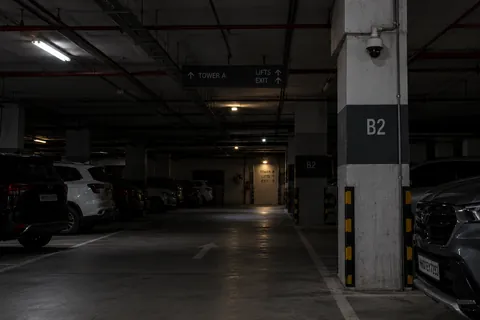
| Basement lighting | 7 fittings out | Not monitored, so the coverage loss was invisible to anyone |
| Lift car cameras | No floor data | A person could be seen in a lift with no way to establish which floor they left at |
| Service reports | 0 faults in 3 years | Thirty-six visits, no fault recorded, no test of whether the system could still produce evidence |
Nobody had been negligent in the way the committee first assumed. The engineer attended every month, checked that the panels were powered, that the screens showed images, and that nothing was alarming. All of that was true. None of it answered the only question that mattered, which was whether the system would produce usable evidence of an event in the basement at eleven at night.
Maintenance had been defined as attendance. Nobody had ever defined it as verification.
What happened next
- The committee received the report and took it to two other contractorsWhich is what it is for. They came back to us on the strength of it, but they did not have to.
- Rectification was quoted line by lineTwenty-eight devices replaced or repaired, thirteen reconfigured, storage resized to hold the specified thirty days, and the seven basement fittings restored and put under monitoring.
- Retention was measured again after the workNot read from a configuration screen. 30 to 45 days verified against real recording at real frame rates.
- The building moved onto quarterly cover with reportingEvery visit now tests whether footage can be produced, and the monthly report says so in a sentence a committee member can read.
The outcome
Three years of monthly visits had faithfully confirmed that an inadequate system was still inadequate.
The cameras were not broken. Most of them were producing exactly the image they had always produced, which had never been good enough, because the original specification had been written against datasheet figures rather than against the light in that basement.
What this is an example of
The most common condition we find, and the reason our maintenance model starts with a chargeable assessment rather than a quotation. A system under contract is not a system that has been tested, and the gap between those two things is where almost every failure we are called to lives.
If your building has cameras and a contract and nobody has asked for footage recently, you do not know which of these two situations you are in.
On the figures
We do not name the buildings or organisations in our case studies.
The figures are from the job file and are unaltered. Names go on the client list, because a client is proud to appear there. Numbers go here, because nobody is proud to appear in a report about what was broken on their site.
If you would like to speak to a reference, we will ask them first.
Find out what your system is actually doing.
Every camera, panel, reader and sensor tested, and a signed condition report naming what has failed.
The assessment is chargeable, quoted against the site, and adjusted in full against the first year if you take cover. Where cover is not taken, the fee covers our team’s time on site and the report we leave behind, and the report is yours either way.
Chargeable, and adjusted in full if you take cover.
Book an assessment